
clear

COMPOSITION:
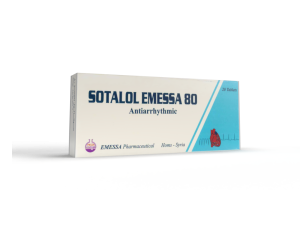
1-Each tablet of SOTALOL 80 contains: Sotalol hydrochloride 80mg.
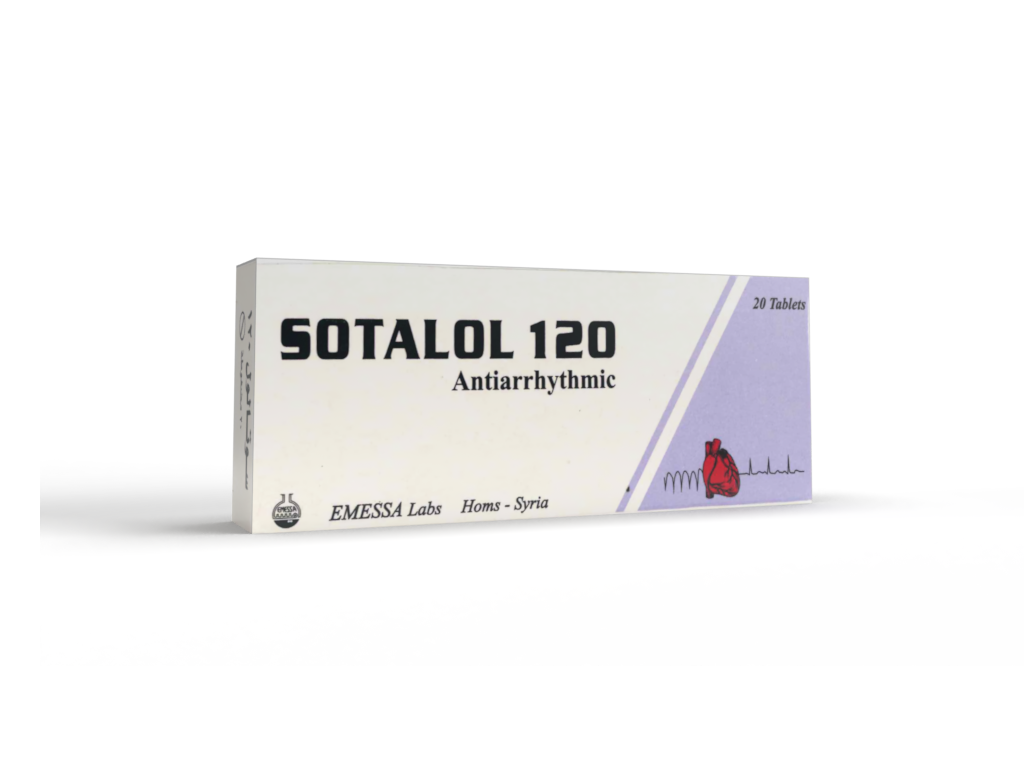
2-Each tablet of SOTALOL 120 contains: Sotalol hydrochloride 120mg.
3-Each tablet of SOTALOL 160 contains: sotalol hydrochloride 160mg.
MECHANISM OF ACTION:
The Pharmacotherapeutic group of Sotalol hydrchloride is non-selective beta blocking agents; It is a non-selective hydrophilic β-adrenergic receptor-blocking agent, devoid of intrinsic sympathomimetic activity or membrane stabilizing activity. Sotalol hydrochloride has both beta-adrenoreceptor blocking (Vaughan Williams Class II) and cardiac action potential duration prolongation (Vaughan Williams Class III) antiarrhythmic properties. Sotalol hydrochloride has no known effect on the upstroke velocity and therefore no effect on the depolarisation phase. Sotalol hydrochloride uniformly prolongs the action potential duration in cardiac tissues by delaying the repolarisation phase. Its major effects are prolongation of the atrial, ventricular and accessory pathway effective refractory periods. Its β-adrenergic blocking activity causes a reduction in heart rate (negative chronotropic effect) and a limited reduction in the force of contraction (negative inotropic effect). These cardiac changes reduce myocardial oxygen consumption and cardiac work. Like other β-blockers, sotalol inhibits renin release. The renin-suppressive effect of sotalol is significant both at rest and during exercise. Like other beta adrenergic blocking agents, sotalol produces a gradual but significant reduction in both systolic and diastolic blood pressures in hypertensive patients.
The bioavailability of oral Sotalol hydrchloride is essentially complete (greater than 90%). After oral administration, peak levels are reached in 2.5 to 4 hours, and steady-state plasma levels are attained within 2-3 days. The absorption is reduced by approximately 20% when administered with a standard meal, in comparison to fasting conditions. Over the dosage range, 40-640 mg/day Sotalol hydrchloride displays dose proportionality with respect to plasma levels. Distribution occurs to a central (plasma) and a peripheral compartment, with an elimination half-life of 10-20 hours. Sotalol hydrochloride does not bind to plasma proteins and is not metabolised. There is very little inter-subject variability in plasma levels. Sotalol hydrochloride crosses the blood-brain barrier poorly, with cerebrospinal fluid concentrations only 10% of those in plasma. The primary route of elimination is renal excretion. Approximately 80 to 90% of a dose is excreted unchanged in the urine, while the remainder is excreted in the faeces.
Sotalol hydrchloride Tablets are indicated for:
Posology
As with other antiarrhythmic agents, it is recommended that Sotalol hydrchloride 40mg Tablets be initiated and doses increased in a facility capable of monitoring and assessing cardiac rhythm. The dosage must be individualized and based on the patient’s response. Proarrhythmic events can occur not only at initiation of therapy, but also with each upward dosage adjustment.
In view of its β-adrenergic blocking properties, treatment with Sotalol hydrchloride Tablets should not be discontinued suddenly, especially in patients with ischaemic heart disease (angina pectoris, prior acute myocardial infarction) or hypertension, to prevent exacerbation of the disease.
The initiation of treatment or changes in dosage with Sotalol hydrchloride should follow an appropriate medical evaluation including ECG control with measurement of the corrected QT interval, and assessment of renal function, electrolyte balance and concomitant medications.
Method of administration
The following dosing schedule can be recommended:
The initial dose is 80 mg, administered either singly or as two divided doses.
Oral dosage of Sotalol hydrchloride should be adjusted gradually allowing 2-3 days between dosing increments in order to attain steady-state, and to allow monitoring of QT intervals. Most patients respond to a daily dose of 160 to 320 mg administered in two divided doses at approximately 12 hour intervals. Some patients with life-threatening refractory ventricular arrhythmias may require doses as high as 480 – 640 mg/day. These doses should be used under specialist supervision and should only be prescribed when the potential benefit outweighs the increased risk of adverse events, particularly proarrhythmias.
Paediatric population
There is no relevant use of Sotalol hydrchloride in the paediatric population.
Dosage in renally impaired patients
Because Sotalol hydrchloride is excreted mainly in urine, the dosage should be reduced when the creatinine clearance is less than 60 ml/min according to the following table:
| >60 | Recommended Dose |
| 30-60 | ½recommendedDose
|
| 10-30 | ¼ recommendedDose |
| ˂10 | Avoid Sotalol hydrchloride |
The creatinine clearance can be estimated from serum creatinine by the Cockroft and Gault formula:
Men:(140 – age) x weight (kg) / 72 x serum creatinine (mg/dl)
Women: idem x 0.85
When serum creatinine is given in μmol/l, divide the value by 88.4 (1mg/dl = 88.4 μmol/l).
Dosage in hepatically impaired patients
No dosage adjustment is required in hepatically impaired patients because it is not suject to final pass metabolism.
Sotalol hydrchloride should not be used where there is evidence:
Common ≥ 1/100, ≤1/10
Cardiovascular disorders
Common: Bradycardia, dyspnoea, chest pain, palpitations, oedema, ECG abnormalities, hypotension, arrhythmia, syncope, heart failure, presyncope
Skin and subcutaneous tissue disorders
Common: Rash
Gastro-intestinal disorders
Common: Nausea, vomiting, diarrhoea, dyspepsia, abdominal pain, flatulence
Musculoskeletal, connective tissue and bone disorders
Common: Muscle spasms
Nervous system disorders
Common: Fatigue, dizziness, asthenia, light-headedness, headache, paraesthesia, dysgeusia
Psychiatric disorders
Common: Sleep disorder, mood altered, depression, anxiety
Reproductive system and breast disorders
Common: Sexual dysfunction
Eye disorders
Common: Visual disturbances
Ear and labyrinth disorders
Common: Hearing disturbances
General disorders and administration site conditions
Common: Pyrexia
The most common adverse events leading to discontinuation of Sotalol hydrchloride are listed in the table below:
| Fatigue |
| Bradycardia (<50 bpm) |
| Dyspnoea |
| Proarrythmia |
| Asthenia |
| Dizziness |
Cold and cyanotic extremities, Raynaud’s phenomenon, increase in existing intermittent claudication and dry eyes have been seen in association with other beta-blockers.
Pay special attention to the following:
Hypersensitivity to catecholamines is observed in patients withdrawn from beta-blocker therapy. Occasional cases of exacerbation of angina pectoris, arrhythmias, and in some cases, myocardial infarction, has been reported after abrupt discontinuation of the treatment.
The most dangerous adverse effect of Class I and Class III antiarrhythmic drugs (such as Sotalol hydrchloride) is the aggravation of pre-existing arrhythmias or the provocation of new arrhythmias. Drugs that prolong the QT-interval may cause torsades de pointes, Females may be at increased risk of developing torsades de pointes.
The incidence of torsades de pointes is dose dependent. Torsades de pointes usually occurs within 7 days of initiating therapy or escalation of the dose and can progress to ventricular fibrillation.
Patients with sustained ventricular tachycardia and a history of congestive heart failure have the highest risk of serious proarrhythmia (7%).
Proarrhythmic events must be anticipated not only on initiating therapy but with every upward dose adjustment. Initiating therapy at 80 mg with gradual upward dose titration thereafter reduces the risk of proarrhythmia.
Sotalol hydrchloride should not be used in patients with hypokalaemia or hypomagnesaemia prior to correction of imbalance; these conditions can exaggerate the degree of QT prolongation, and increase the potential for torsades de pointes. Special attention should be given to electrolyte and acid-base balance in patients experiencing severe or prolonged diarrhoea or patients receiving concomitant magnesium- and/or potassium-depleting drugs.
Beta-blockade may further depress myocardial contractility and precipitate more severe heart failure. Caution is advised when initiating therapy in patients with left ventricular dysfunction controlled by therapy (i.e. ACE Inhibitors, diuretics, digitalis, etc); a low initial dose and careful dose titration is appropriate.
With impaired left ventricular function, the risk versus benefit of Sotalol hydrchloride administration must be considered. Careful monitoring and dose titration are critical during initiation and follow-up of therapy. The adverse results of clinical trials involving antiarrhythmic drugs (i.e. apparent increase in mortality) suggest that Sotalol hydrchloride should be avoided in patients with left ventricular ejection fractions ≤ 40% without serious ventricular arrhythmias.
Excessive prolongation of the QT-interval, >500 msec, can be a sign of toxicity and should be avoided. Sinus bradycardia has been observed very commonly in arrhythmia patients receiving Sotalol hydrchloride in clinical trials.
Patients with a history of anaphylactic reaction to a variety of allergens may have a more severe reaction on repeated challenge while taking beta-blockers. Such patients may be unresponsive to the usual doses of adrenaline used to treat the allergic reaction.
As with other beta-blocking agents, Sotalol hydrchloride Tablets should be used with caution in patients undergoing surgery and in association with anaesthetics that cause myocardial depression, such as cyclopropane or trichloroethylene.
Sotalol hydrchloride should be used with caution in patients with diabetes (especially labile diabetes) or with a history of episodes of spontaneous hypoglycaemia, since beta-blockade may mask some important signs of the onset of acute hypoglycaemia, e.g. tachycardia.
Beta-blockade may mask certain clinical signs of hyperthyroidism (e.g., tachycardia). Patients suspected of developing thyrotoxicosis should be managed carefully to avoid abrupt withdrawal of beta-blockade which might be followed by an exacerbation of symptoms of hyperthyroidism, including thyroid storm.
As Sotalol hydrchloride is mainly eliminated via the kidneys the dose should be adjusted in patients with renal impairment.
Beta-blocking drugs have been reported rarely to exacerbate the symptoms of psoriasis vulgaris.
Antiarrhythmics
Class1a and Class III antiarrhythmic drugs such as Amiodron and Quinidine are not recommended as concomitant therapy with Sotalol hydrchloride, because of their potential to prolong refractoriness. The concomitant use of other beta- blocking agents with Sotalol hydrchloride may result in additive Class II effects.
Other drugs prolonging the QT-interval
Sotalol hydrchloride 40mg Tablets should be given with extreme caution in conjunction with other drugs known to prolong the QT- interval such as phenothiazines, tricyclic antidepressants, terfenadine and astemizole. Other drugs that have been associated with an increased risk for torsades de pointes include erythromycin IV, halofantrine, pentamidine, and quinolone antibiotics.
Floctafenine
beta-adrenergic blocking agents may impede the compensatory cardiovascular reactions associated with hypotension or shock that may be induced by Floctafenine.
Calcium channel blocking drugs
Concurrent administration of beta-blocking agents and calcium channel blockers has resulted in hypotension, bradycardia, conduction defects, and cardiac failure. Beta-blockers should be avoided in combination with cardiodepressant calcium-channel blockers such as verapamil and diltiazem because of the additive effects on atrioventricular conduction, and ventricular function.
Potassium-Depleting Diuretics
Hypokalaemia or hypomagnesaemia may occur, increasing the potential for torsade de pointes.
Other potassium-depleting drugs
Amphotericin B (IV route), corticosteroids (systemic administration), and some laxatives may also be associated with hypokalaemia; potassium levels should be monitored and corrected appropriately during concomitant administration with Sotalol hydrchloride.
Clonidine
Beta-blocking drugs may potentiate the rebound hypertension sometimes observed after discontinuation of clonidine; therefore, the beta-blocker should be discontinued slowly several days before the gradual withdrawal of clonidine.
Digitalis glycosides
Single and multiple doses of Sotalol hydrchloride do not significantly affect serum digoxin levels. But association of digitalis glycosides with beta-blockers may increase auriculo-ventricular conduction time.
Catecholamine-depleting agents
Concomitant use of catecholamine-depleting drugs, such as reserpine, guanethidine, or alpha methyldopa, with a beta- blocker may produce an excessive reduction of resting sympathetic nervous tone. Patients should be closely monitored for evidence of hypotension and/or marked bradycardia which may produce syncope.
Insulin and oral hypoglycaemics
Hyperglycaemia may occur, and the dosage of antidiabetic drugs may require adjustment. Symptoms of hypoglycaemia (tachycardia) may be masked by beta-blocking agents
Neuromuscular blocking agents like Tubocurarin
The neuromuscular blockade is prolonged by beta-blocking agents
Beta-2-receptor stimulants
Patients in need of beta-agonists should not normally receive Sotalol hydrchloride. However, if concomitant therapy is necessary beta- agonists may have to be administered in increased dosages.
The presence of Sotalol hydrchloride in the urine may result in falsely elevated levels of urinary metanephrine when measured by photometric methods.
Pregnancy
Animal studies with sotalol hydrochloride have shown no evidence of teratogenicity or other harmful effects on the foetus. Although there are no adequate and well-controlled studies in pregnant women, sotalol hydrochloride has been shown to cross the placenta and is found in amniotic fluid. Beta-blockers reduce placental perfusion, which may result in intrauterine foetal death, immature and premature deliveries. In addition, adverse effects (especially hypoglycaemia and bradycardia) may occur in foetus and neonate. There is an increased risk of cardiac and pulmonary complications in the neonate in the postnatal period. Therefore, Sotalol hydrchloride should be used in pregnancy only if the potential benefits outweigh the possible risk to the foetus. The neonate should be monitored very carefully for 48 – 72 hours after delivery if it was not possible to interrupt maternal therapy with Sotalol hydrchloride 2-3 days before the birthdate.
Lactation
Most beta-blockers, particularly lipophilic compounds, will pass into breast milk although to a variable extent. Breast feeding is therefore not recommended during administration of these compounds.
Intentional or accidental over-dosage with Sotalol hydrchloride has rarely resulted in death. Haemodialysis results in a large reduction of plasma levels of Sotalol hydrchloride.
Symptoms and treatment of over-dosage: The most common signs to be expected are bradycardia, congestive heart failure, hypotension, bronchospasm and hypoglycaemia. In cases of massive intentional over-dosage (2-16 g) of Sotalol hydrchloride the following clinical findings were seen: hypotension, bradycardia, prolongation of QT-interval, premature ventricular complexes, ventricular tachycardia, torsades de pointes.
If overdosage occurs, therapy with SOTALOL HYDRCHLORIDE should be discontinued and the patient observed closely. In addition, if required, the following therapeutic measures are suggested:
Bradycardia
Atropine (0.5 to 2 mg IV), another anticholinergic drug, a beta-adrenergic agonist (isoprenaline, 5 micrograms per minute, up to 25 micrograms, by slow IV injection) or transvenous cardiac pacing
Heart Block (second and third degree) Transvenous cardiac pacing Hypotension
Adrenaline rather than isoprenaline or noradrenaline may be useful, depending on associated factors
Bronchospasm
Aminophylline or aerosol beta-2-receptor stimulant
Torsades de pointes
DC cardioversion, transvenous cardiac pacing, adrenaline, and/or magnesium sulphate.
STORAGE: Store at temperature below 30°c.
PACKAGING: