
clear

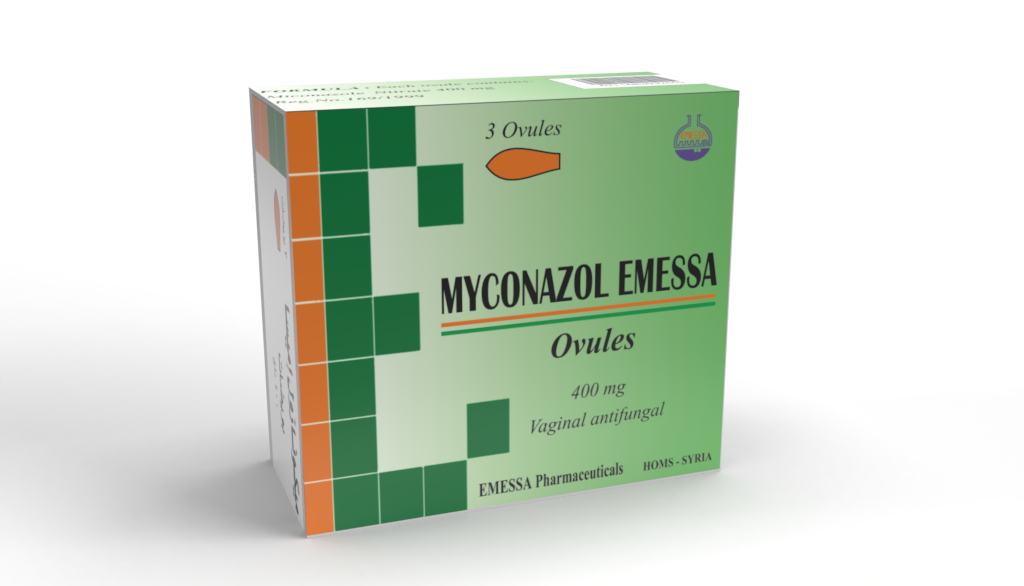
Mechanism of action:
Miconazole combines a potent antifungal activity against common dermatophytes and yeasts with an antibacterial activity against certain gram-positive bacilli and cocci. In general, miconazole exerts a very rapid effect on pruritus, a symptom that frequently accompanies dermatophyte and yeast infections
Pharmacokinetics:
Absorption: Miconazole persists in the vagina for up to 72 hours after a single dose. Systemic absorption of miconazole after intravaginal administration is limited and the bioavailability of 1 to 2% following intravaginal administration of a 1200 mg dose.
Distribution: Absorbed miconazole is bound to plasma proteins (88.2%) and red blood cells (10.6%).
Metabolism and Excretion: The small amount of miconazole that is absorbed is eliminated predominantly in faeces as both unchanged drug and metabolites over a four-day post-administration period.
Indications:
Dosage and method of administration:
Vaginal cream 2%:
Adults (aged 18 years and older): Administer the contents of one applicator (about 5g of cream) once daily deeply into vagina for 10 – 14 days or twice daily for 7 days.
For vulvitis the cream should be applied topically twice daily. Continue the course of treatment even after pruritus and leukorrhoea have disappeared or menstruation begins.
Pediatrics (aged less than 18 years): The safety and efficacy of miconazole vaginal cream in children and adolescents has not been studied.
Vaginal cream 4%:
adults and children 12 years of age and over:
applicators : insert 1 applicatorful into the vagina at bedtime for 3 nights in a row. Throw applicator away after use
Vaginal Suppositories:
Adults and children 12 years of age and over: insert 1 Suppository into the vagina at bedtime for 3 nights in a row.
Pediatrics (aged less than 12 years): ask a doctor.
Before prescribing another course of therapy, the diagnosis should be reconfirmed by smears and/or cultures to rule out other pathogen.
Contraindications:
Known hypersensitivity to miconazole nitrate or other imidazole derivatives or any of the excipients.
Warnings and precautions:
Stop use and check with the doctor if
Laboratory Tests:
If there is a lack of response to Miconazole Vaginal Suppositories, appropriate microbiological studies should be repeated to confirm the diagnosis and rule out other pathogens.
Drug Interaction:
Pregnancy and lactation:
Pregnancy: Although intravaginal absorption is limited, miconazole should be used in the first trimester of pregnancy only if the potential benefits outweigh the possible risks.
Breastfeeding: It is not known whether miconazole nitrate is excreted in human milk. Caution should be exercised when using miconazole during breastfeeding.
Adverse reactions:
Very common: Genital pruritus, vaginal burning sensation, vulvovaginal discomfort.
Common: Rash, Dysmenorrhea.
Uncommon: pruritic rash, urticaria, headaches, itching or irritation, cramping.
Rare: hives.
Overdose:
Symptoms: miconazolevaginal cream and ovules are intended for local application and not for oral use. In case of accidental ingestion, no problems are expected.
Treatment:In the event of accidental ingestion of large quantities, appropriate supportive care should be used.